
Architect vs Draftsperson: What’s the Difference, and When Does It Matter?
It’s one of the most common questions we hear from people early in a building project: do I really need an architect, or will a draftsperson do? The honest answer is: it depends on your project.

What a Draftsperson Does
A draftsperson produces technical drawings — floor plans, elevations, and construction documents. They are skilled at translating a design concept into compliant documentation for council approval and builder use. For straightforward projects on simple sites, a good draftsperson can be a cost-effective choice.
What an Architect Adds
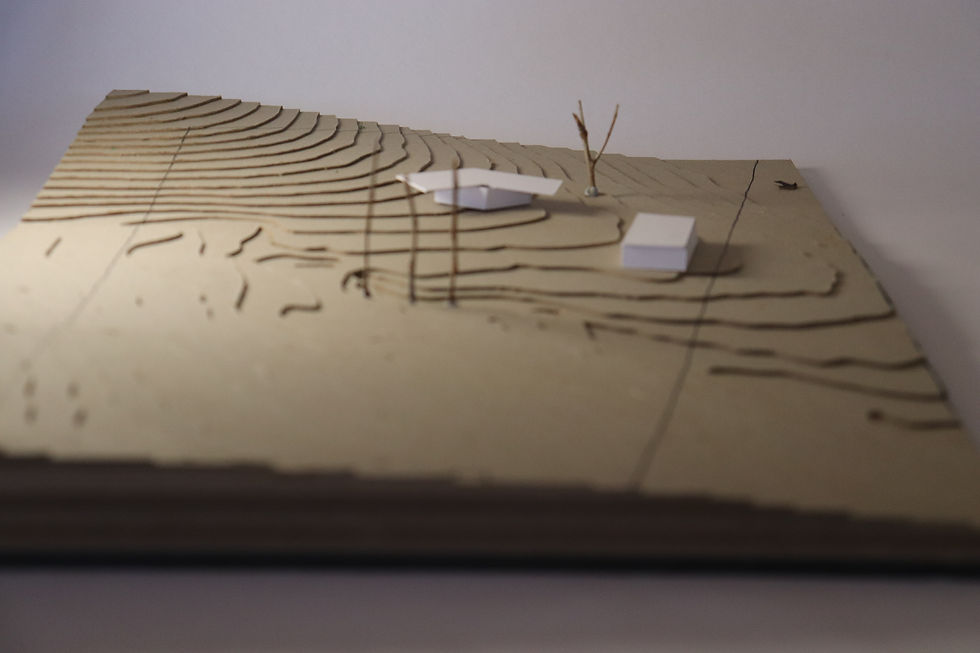
An architect’s training covers design thinking, not just documentation. This means analysing your site (orientation, topography, views, flood risk, prevailing winds), understanding how the space will actually be used, and generating design solutions you wouldn’t have arrived at yourself. It also means project management experience and the ability to coordinate engineers, certifiers, and builders in a way that protects your interests.
When It Really Matters
The value of an architect compounds on complex or sensitive projects: sites with slope, flood risk, or heritage overlays; projects where environmental performance matters; any build where the design itself is part of the value. On these projects, a draftsperson working from standard solutions is unlikely to find the best outcome.
It also matters if you’re time-poor or unfamiliar with construction. An architect who can manage the full process — from concept to handover — reduces risk significantly.
A Practical Rule of Thumb
If your project is standard and your site is simple, a draftsperson may be sufficient. If your site has constraints, your brief has complexity, or you want a building that is genuinely good — not just compliant — an architect is likely to add more value than their fee.
We’re happy to give you an honest opinion about whether you need us. Email hello@hurleyarchitects.com.au.



Comments